
Many drivers consider car window tinting only after experiencing discomfort on the road. While tinted windows are often seen as a cosmetic upgrade, their real value lies in solving everyday driving problems such as excessive heat, glare, interior fading, and lack of privacy.
If you regularly feel uncomfortable in your vehicle or notice changes in its interior condition, these may be clear signs you need a car window tint. This article explores those signs in detail, explains how window tinting addresses each issue, and helps you understand when tinting becomes a practical necessity rather than a preference.
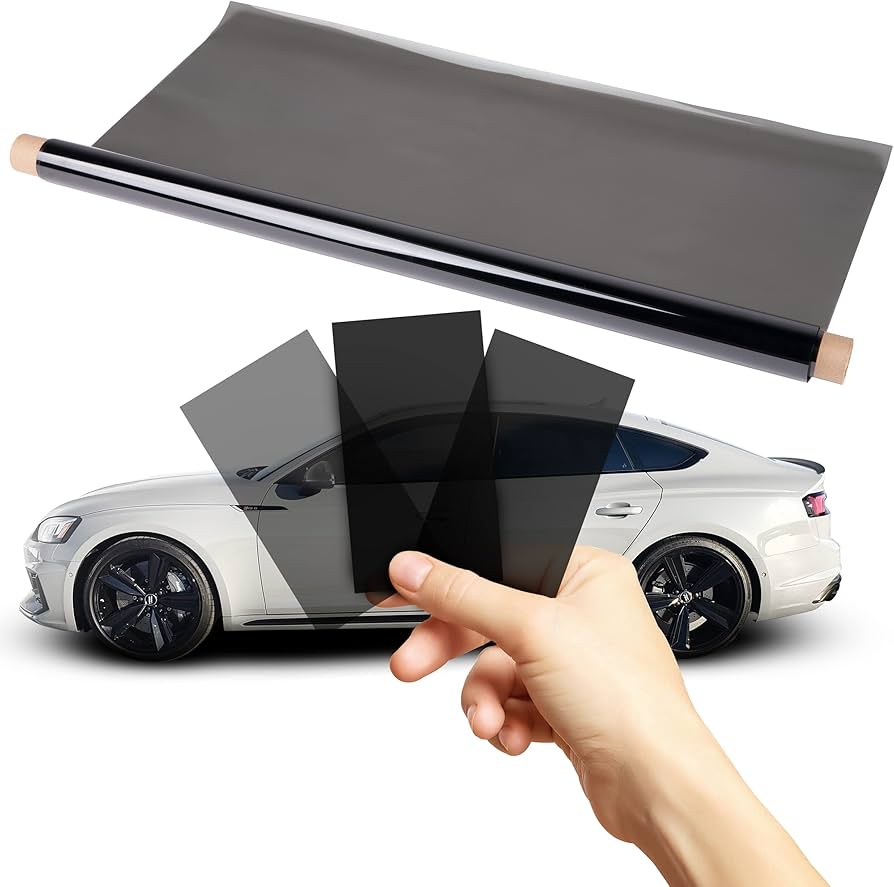
Car window tinting involves applying a thin film to the inside of vehicle glass. This film is designed to reduce solar heat, filter ultraviolet radiation, and manage visible light entering the vehicle.
Modern tint films are engineered for function rather than appearance. When chosen correctly and installed professionally, they improve comfort, protect vehicle interiors, and support safer driving conditions without compromising visibility or legality.
Recognising the early warning signs can help prevent long-term damage and daily discomfort.
One of the most common and noticeable signs you need a car window tint is excessive cabin heat. If your car becomes unbearably hot after being parked in the sun, the glass is allowing too much solar energy to enter.
High interior temperatures can make driving uncomfortable even after the air conditioning is turned on. In warm climates, including Melbourne, vehicles can heat up rapidly, especially during summer months.
Excess heat inside the car can also:
Window tinting reduces heat transfer by reflecting and absorbing solar radiation before it enters the cabin.
Glare when driving is another strong indicator that window tinting may be necessary. Bright sunlight can reflect off roads, dashboards, windscreens, and nearby vehicles, temporarily reducing visibility.
This issue is especially noticeable:
Prolonged glare can lead to eye strain, slower reaction times, and increased driving fatigue. Window tint helps soften harsh light without darkening the view excessively, improving visual comfort and safety.
A faded interior car is often the result of long-term exposure to ultraviolet radiation. Sunlight gradually breaks down materials, causing colour loss, cracking, and surface deterioration.
Areas most commonly affected include:
Once fading begins, it cannot be reversed. Tinting your windows early helps block harmful UV rays and slows further deterioration, preserving the vehicle’s interior condition over time.
If you feel exposed while sitting in traffic or parked in public areas, this may be a sign of insufficient window protection. A lack of privacy in car situations can make drivers and passengers uncomfortable, particularly in urban environments.
Privacy concerns often arise:
Window tint creates a visual barrier from the outside while still allowing clear visibility from inside, improving comfort and security.
Constant exposure to bright sunlight can cause eye strain, headaches, and general fatigue. Drivers who commute long distances or spend extended hours on the road are particularly affected.
Window tint reduces brightness and filters intense light, creating a more balanced visual environment. This helps drivers stay focused and comfortable, especially on long drives.
If your air conditioning seems ineffective despite running continuously, excessive heat entering through the windows may be the cause. Untinted glass allows solar energy to penetrate constantly, forcing cooling systems to work harder.
By reducing heat gain, window tint supports more efficient temperature control, helping the air conditioning maintain a comfortable interior with less effort.
Car tint during summer in Melbourne is particularly relevant due to strong sunlight and high UV levels. If you find that summer driving feels more uncomfortable each year, window tinting may be the long-term solution.
Signs include:
Tinting helps stabilise cabin temperatures and improves comfort throughout the hottest months.
Understanding how tint works clarifies why it is effective across multiple driving concerns.
Window tint films are designed to reflect infrared radiation and absorb solar heat. This limits the amount of heat entering the vehicle and helps maintain a more consistent interior temperature.
As a result, drivers experience:
Ultraviolet radiation contributes to skin damage and accelerates interior wear. Quality tint films block a significant percentage of UV rays, reducing exposure during daily driving.
This protection benefits:
Tint films reduce light intensity without obstructing vision. This improves visibility during bright conditions and reduces the risk associated with sudden glare.
Properly selected tint enhances privacy while maintaining clear outward visibility. This balance is essential for safe lane changes, reversing, and parking.
Timing plays an important role in maximising the benefits of window tinting.
Tinting a new car early helps protect the interior from the start. This prevents fading, cracking, and wear before damage occurs.
Installing tint before warmer months ensures you experience immediate comfort benefits during periods of intense sunlight.
If you already experience excessive heat, glare, or fading, delaying tint installation may allow further damage and discomfort to develop.
Car window tinting is regulated to ensure driver visibility and road safety. Understanding these rules is essential before installation.
Key considerations include:
Professional installers ensure tint compliance with Victorian regulations, reducing the risk of penalties or vehicle defects.
Choosing the right film depends on performance needs and driving conditions.
Dyed tint provides basic glare reduction and appearance enhancement. It offers limited heat rejection and may fade over time.
Metalised films improve heat reduction but may interfere with electronic signals such as GPS or mobile reception.
Ceramic tint offers advanced heat rejection, UV protection, and optical clarity without signal interference. It is suitable for modern vehicles and long-term performance.
DIY tint kits may appear cost-effective, but improper installation can lead to bubbling, peeling, and non-compliance with legal standards.
Professional installation ensures:
Businesses such as 7 Stars Tint focus on correct film selection and precise installation techniques.
While tint can improve aesthetics, its primary purpose is functional protection against heat, glare, and UV damage.
Legal and professionally installed tint maintains visibility while reducing glare from headlights and streetlights.
Factory glass offers minimal UV and heat protection compared to specialised tint films.
Understanding the signs you need car window tint allows drivers to address comfort, safety, and vehicle protection concerns before they worsen. From reducing heat and glare to preserving interior condition and improving privacy, window tinting offers practical benefits that extend beyond appearance.
If your driving experience reflects any of the signs discussed above, window tinting may be a necessary step toward a more comfortable and protected vehicle.
Excessive interior heat, glare when driving, a faded interior car, lack of privacy in car situations, and discomfort during summer are the most common signs.
Yes, quality window tint significantly reduces solar heat entering the vehicle, improving comfort and temperature control.
Yes, tint supports year-round comfort by reducing glare and maintaining stable interior temperatures.
Window tint blocks UV radiation, helping prevent fading, cracking, and long-term interior damage.
Yes, when installed within Victorian regulations regarding light transmission and reflectivity.
With proper installation and care, quality window tint can last many years without peeling or fading.