
Sunlight plays an important role in making a home feel open and comfortable. However, prolonged exposure to sunlight can quietly damage your interiors. Over time, UV rays passing through untreated windows can cause furniture to fade, flooring to lose its colour, and indoor temperatures to become uncomfortable. Many homeowners only notice the damage once it is already visible and difficult to reverse.
Residential window tinting offers a practical solution to this problem. When correctly installed, window tint helps protect house interiors from harmful UV rays while still allowing natural light to enter. This blog explains how window tint works, what kind of damage UV exposure can cause inside homes, and why tinting is considered a preventive home care measure rather than a cosmetic upgrade.
Ultraviolet rays are a part of the sun’s radiation that is invisible to the human eye. While most people associate UV exposure with outdoor health risks, these rays can also penetrate standard glass windows and affect indoor spaces.
There are two main types of UV rays relevant to homes. UVA rays contribute to fading and ageing of materials, while UVB rays are known for causing skin damage. Even when windows block some UV radiation, untreated glass still allows a significant percentage to pass through.
Many homeowners assume that closed windows fully protect their interiors from sun damage. In reality, standard residential glass can allow up to 70 percent of UV rays to enter indoor spaces. This exposure occurs daily, even on cloudy days, and gradually impacts everything inside the home that is exposed to sunlight.
Rooms with large windows, sliding doors, or north and west facing orientations tend to experience the highest levels of UV exposure. Over time, this constant exposure leads to visible and irreversible changes in interior materials.
One of the most noticeable signs of UV damage furniture is fading. Sofas, chairs, cushions, and fabric covered furniture can lose their original colour, especially in areas that receive direct sunlight. Leather furniture may dry out, crack, or lose its finish due to prolonged UV exposure.
Once fading occurs, restoring the original appearance is often expensive or impossible. This is why many homeowners look for fade prevention home window tint solutions before damage becomes visible.
Wooden floors, carpets, and rugs are particularly vulnerable to sunlight. UV rays can cause timber floors to bleach unevenly, leaving light patches where sunlight hits most often. Rugs may develop uneven colouring, especially near windows or glass doors.
Flooring replacement is costly and disruptive, making UV protection an important consideration in long term home maintenance planning.
Photographs, paintings, and wall art can also fade when exposed to UV rays. Paper based materials are especially sensitive, and once discoloration begins, it cannot be reversed. Even decorative items such as curtains and blinds can degrade over time due to constant sunlight exposure.
Modern residential window tint is designed to filter sunlight before it enters the home. High quality films can block up to 99 percent of harmful UV rays while still allowing visible light to pass through. This makes it possible to enjoy natural daylight without the associated damage.
Unlike heavy curtains or blinds, window tint works continuously without requiring daily adjustment. It acts as a protective layer on the glass itself, reducing UV exposure at the source.
Fade prevention home window tint works by limiting the intensity of UV radiation that reaches interior surfaces. By reducing this exposure, tinting slows down the fading process of furniture, flooring, and decor.
While no solution can completely stop ageing, window tint significantly extends the lifespan of interior materials. This helps homeowners maintain the appearance of their living spaces for longer periods without frequent replacements.
House window glare reduction is one of the most noticeable benefits of window tinting. Excessive glare can make rooms uncomfortable, interfere with television viewing, and strain the eyes. Tinting reduces glare while preserving natural light, creating a more balanced indoor environment.
This balance is particularly important in living rooms, home offices, and areas where screens are frequently used.
Sunlight entering through windows contributes to heat buildup inside homes. Window tint reduces solar heat gain, helping to maintain more consistent indoor temperatures. This can improve comfort during warmer months and reduce reliance on cooling systems.
Lower indoor heat levels can also contribute to reduced energy consumption, making window tint a practical addition to energy conscious households.
Home privacy and natural light balance is a common concern for homeowners. Window tint allows occupants to maintain privacy during daylight hours without resorting to heavy window coverings. This is especially useful for street facing rooms or homes with close neighbours.
Unlike frosted glass or blackout curtains, window tint provides privacy while keeping interiors bright and open.
Many people are unaware that UV exposure can occur indoors. Spending long hours near windows can contribute to cumulative UV exposure over time. This is particularly relevant for home offices, kitchens, and living areas with large windows.
By blocking harmful UV rays, residential window tint adds an extra layer of protection for skin health. While it does not replace sun protection measures outdoors, it reduces unnecessary exposure indoors.
Clear films are designed primarily for UV protection without altering the appearance of windows. These are suitable for homeowners who want protection without noticeable changes to glass colour or reflectivity.
Tinted films come in varying shades and are effective for reducing glare and heat. These are often used in rooms with strong sunlight exposure where comfort is a priority.
Reflective films offer enhanced glare control and daytime privacy, while neutral films aim to maintain a natural glass appearance. Choosing the right option depends on the home’s orientation, design, and specific needs.
Professional guidance, such as that provided by experienced residential tinting services like 7 Stars Tint, helps ensure the right film is selected for each space.
Replacing faded furniture or damaged flooring is expensive. Window tinting helps reduce these long term costs by protecting existing interiors. When considered as a preventive measure, tinting supports overall home value preservation.
Once installed, window tint requires minimal maintenance. It continues to protect interiors daily without additional effort from homeowners. This makes it a practical solution for long term home care.
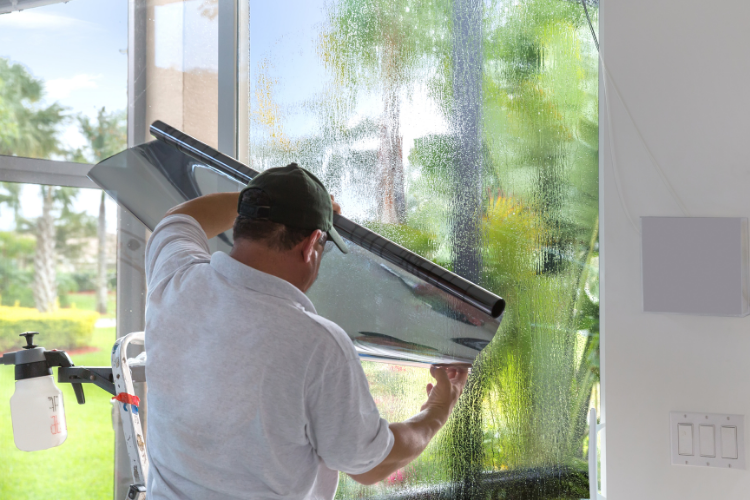
Proper installation is critical for performance and longevity. Poorly installed tint can bubble, peel, or fail to provide adequate UV protection. Working with experienced professionals ensures the film performs as intended.
Homes in Australia experience strong sunlight for much of the year. Residential tinting services familiar with local climate conditions can recommend solutions that address specific exposure levels and comfort needs.
7 Stars Tint specialises in residential window tinting solutions designed for Australian homes, focusing on comfort, UV protection, and interior preservation.
Protecting your home from the hidden dangers of sunlight doesn’t have to mean sacrificing natural light or comfort. Residential window tinting is a simple yet highly effective solution that not only enhances indoor comfort but also safeguards your furniture, flooring, artwork, and even your skin from harmful UV rays. By reducing glare, controlling heat, and blocking up to 99% of ultraviolet radiation, window tint helps prevent fading and extends the lifespan of your interiors.
Considered a preventive home care measure rather than just a cosmetic upgrade, professional window tint installation ensures long-term protection with minimal maintenance. For homeowners looking to preserve the beauty and value of their spaces while maintaining a bright, comfortable environment, window tint protects house interiors from UV—making it a smart investment for today and the years to come.
High quality residential window tint can block up to 99 percent of harmful UV rays. This significantly reduces the risk of fading and interior damage while allowing natural light into the home.
Window tint greatly slows the reminder: fading process but cannot stop it entirely. Combined with proper furniture placement and care, tinting offers strong fade prevention for home interiors.
Modern window films are designed to balance light transmission and protection. Many options reduce glare and UV exposure without noticeably darkening rooms.
Yes, window tint can be applied to most residential glass types. A professional assessment helps determine the best film based on window orientation, glass type, and homeowner preferences.
With proper installation and care, residential window tint can last many years. Longevity depends on film quality, exposure levels, and maintenance practices.