
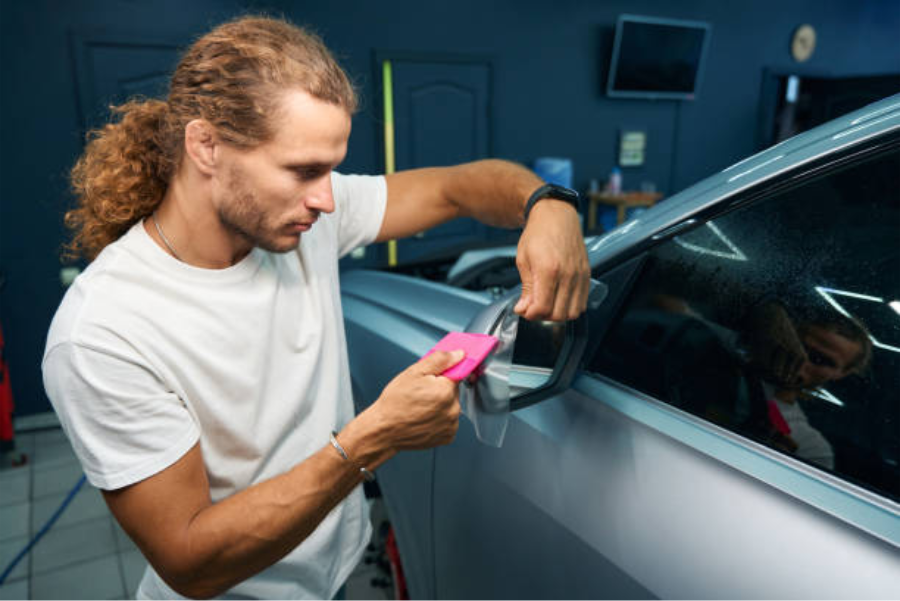
Car Tint Aftercare is essential for keeping your vehicle’s window film looking sharp and performing at its best. Car window tinting not only enhances style but also helps block heat, reduce glare, and protect your interior from UV damage. However, without the right aftercare, tint can fade, bubble, or peel, cutting its lifespan short and diminishing its benefits.
This guide explores practical Car Tint Aftercare tips you can follow to maintain tint quality, extend durability, and ensure your car stays comfortable and protected for years to come.
Car tint films are designed to be durable, but they are not immune to wear and tear. Heat, sunlight, cleaning products, and even improper handling can damage the film. Aftercare is essential because it:
Working with experienced professionals such as 7 Stars Tint ensures not only quality installation but also guidance on how to properly care for your tint afterward.
Immediately after tint installation, your car windows will need time to cure. This is the period during which the adhesive sets and the film bonds to the glass. Proper care during this stage is critical.
By respecting this curing period, you set the foundation for long-lasting tint performance.
Improper cleaning is one of the most common reasons tints degrade prematurely. Using harsh chemicals or rough materials can scratch or weaken the film.
Routine cleaning done correctly will keep your tint looking as good as new.
While tint is designed to block UV rays, prolonged exposure to sunlight can eventually cause fading or weakening. To prolong performance:
More insights on protecting your windows from UV and heat are available in this guide on smart window tinting investments.
Car tint aftercare is not just about cleaning. Consistent long-term practices ensure films perform optimally:
Understanding the expertise behind installation and aftercare is highlighted in the about section of leading tint service providers.
Despite good intentions, many car owners make mistakes that reduce tint lifespan:
Avoiding these pitfalls helps maintain the integrity of your car tint.
Vehicle tinting requires unique considerations compared to residential or commercial tint. Cars face constant motion, vibration, and exposure to outdoor elements. To ensure peak performance:
A closer look at automotive-specific solutions is provided in this guide on vehicle window tinting.
Over time, even well-maintained tints may show signs of wear. Be alert to:
When these issues appear, consult professionals to assess whether repair or replacement is needed.
High-quality tints can last 10 years or more with proper care. To maximize lifespan:
Long-term investment in proper care ensures your tint continues to deliver benefits such as energy savings, comfort, and protection.
While car owners can handle routine cleaning and care, professional expertise is invaluable. Installers provide:
Reaching out for professional guidance is easy using the contact page of experienced service providers.
Car tint aftercare is essential for ensuring peak performance and longevity. From respecting the curing period and cleaning safely to protecting against UV damage and addressing issues early, consistent care makes a significant difference. Melbourne drivers who prioritize proper maintenance will enjoy cooler interiors, reduced glare, and a polished appearance for years to come.
By combining self-care practices with professional guidance, car owners can maximize their investment and keep their vehicles performing and looking their best.
It is best to wait at least a week before cleaning to allow the film to cure fully.
No, avoid cleaners with ammonia. Use mild, ammonia-free solutions instead.
With proper aftercare, high-quality films can last 8–10 years or more.
Quality films maintain good visibility, but very dark tints may reduce night clarity. Always follow legal limits.
Contact a professional installer promptly to assess and repair the tint before the problem worsens.