
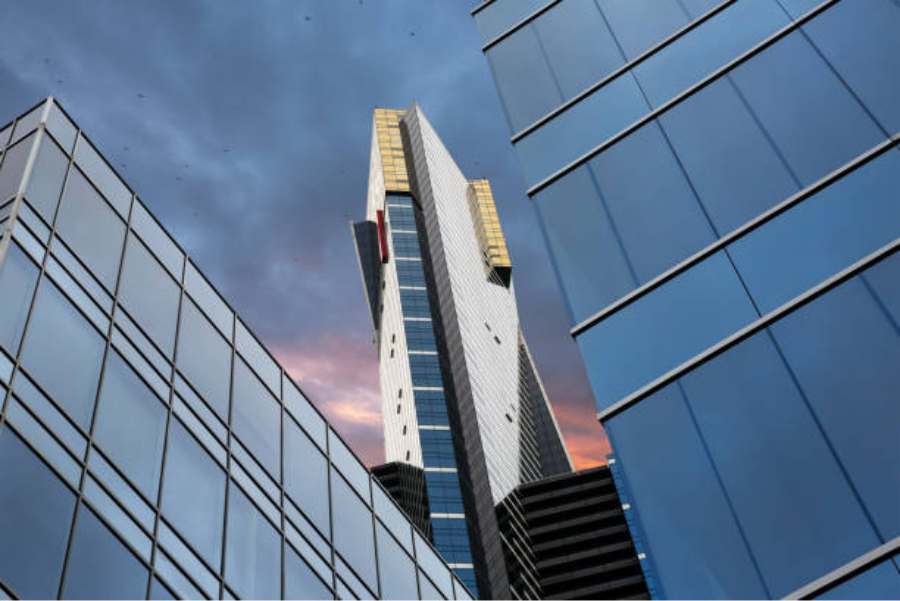
Best Commercial Tint Film is essential for building owners in Melbourne, where a mix of warm summers, cool winters, and unpredictable weather presents unique challenges. Installing the right commercial tint film helps manage heat, reduce glare, and improve energy efficiency in offices, retail spaces, and industrial facilities. Choosing the best option not only enhances occupant comfort but also lowers energy costs and protects interiors from UV damage and sun fading.
Investing in high-quality commercial tint film also delivers long-term benefits, including extended window life, reduced energy consumption, and improved building aesthetics. This guide will show you how to select the best commercial tint film for Melbourne buildings, covering key considerations, film types, installation tips, and proper aftercare to ensure maximum performance.
Commercial spaces often feature large windows to maximize natural light and enhance aesthetics. While appealing, these windows can also bring challenges such as excessive heat, glare, and higher energy usage. Window tinting addresses these issues by:
For Melbourne businesses, professional solutions from trusted providers like 7 Stars Tint help balance comfort with efficiency.
Not all commercial tint films are the same. The right choice depends on building design, location, and business needs. Here are the main factors to consider:
Melbourne’s weather can shift rapidly, making a versatile film essential. A high-quality tint should handle both strong summer sunlight and cooler conditions in winter.
The direction windows face impacts the intensity of sunlight exposure. North- and west-facing windows may require stronger heat-reducing films.
Some businesses prefer reflective films for a sleek appearance, while others opt for neutral tints that blend with existing architecture.
Tint films can enhance privacy by limiting visibility from outside without sacrificing natural light.
Building codes and tenancy agreements sometimes set restrictions on exterior modifications. Always confirm compliance before installation.
Several types of films are available, each offering unique benefits:
Designed to reduce heat and glare, solar films are ideal for offices with large windows. They improve indoor comfort while lowering air conditioning costs.
These films add style and branding options, such as frosted designs or custom logos, while still providing privacy.
For buildings requiring enhanced protection, safety films help hold glass together in case of impact, reducing injury risks and deterring break-ins.
Low-emissivity (Low-E) films provide insulation benefits by reflecting heat indoors during winter and blocking it during summer.
Understanding the unique strengths of each type helps businesses select the right fit for their property. More details on choosing smart investments for windows can be found in this resource.
While energy efficiency is often the main driver, commercial tint film offers additional advantages:
Even the best tint film cannot perform well without proper installation. Professional services ensure that films are applied evenly, without bubbles or imperfections, and last longer. Skilled teams also provide advice tailored to each building’s unique conditions.
Learning more about the installation process and team expertise is possible through the about section of trusted service providers.
Every commercial property has unique requirements, and the right tint solution depends on those specific needs. For instance:
Providers in Melbourne offer a wide range of films tailored not only for businesses but also for residential needs. A detailed look at available options, such as reflective, ceramic, decorative, dual-reflective, security, and neutral films, can be found in this residential window tinting guide.
Investing in tint film is more than a short-term fix—it delivers lasting value. High-quality commercial films can last for years, maintaining their appearance and performance. Over time, the reduction in energy bills and extended life of furnishings often outweigh initial installation costs.
Businesses that integrate window tinting into their sustainability strategies can also enhance their reputation among environmentally conscious clients.
Commercial tint films require minimal maintenance but should still be cared for properly. Recommended practices include:
With proper care, tint films remain effective for many years, protecting investments and ensuring ongoing comfort.
Selecting the best commercial tint film requires balancing performance, appearance, and budget. Working with experienced professionals helps ensure that businesses select products suited to Melbourne’s climate and their specific operational needs.
For personalised advice or to request a consultation, businesses can use the contact page of local tinting experts.
Commercial tint film is an effective, long-term solution for Melbourne buildings facing challenges of heat, glare, and energy inefficiency. By carefully selecting the right type of film and working with experienced installers, businesses can achieve improved comfort, sustainability, and cost savings.
From solar control to decorative and safety films, each option offers unique benefits. Understanding business goals, climate conditions, and building orientation is key to making the right choice. With the guidance of professionals, Melbourne businesses can invest in tinting solutions that add both function and style.
The primary benefit is improved energy efficiency, as it reduces heat gain during summer and retains warmth during winter.
High-quality films, when installed professionally, can last 10–15 years or longer with proper care.
Yes, decorative films allow for custom designs such as logos or patterns, making them ideal for retail or office spaces.
Most modern films maintain brightness while reducing glare and heat, ensuring comfortable natural lighting.
Yes, but it’s important to confirm compliance with local regulations and tenancy agreements before installation.